

One of several reasons that we didn’t take a big spring RV trip was because we wanted to have a big event at our home. Before I retired and before Covid, we used to entertain fairly often. So, we decided we wanted to throw one more big bash. Our house was built in 1926, and I was having one of those milestone birthdays too.
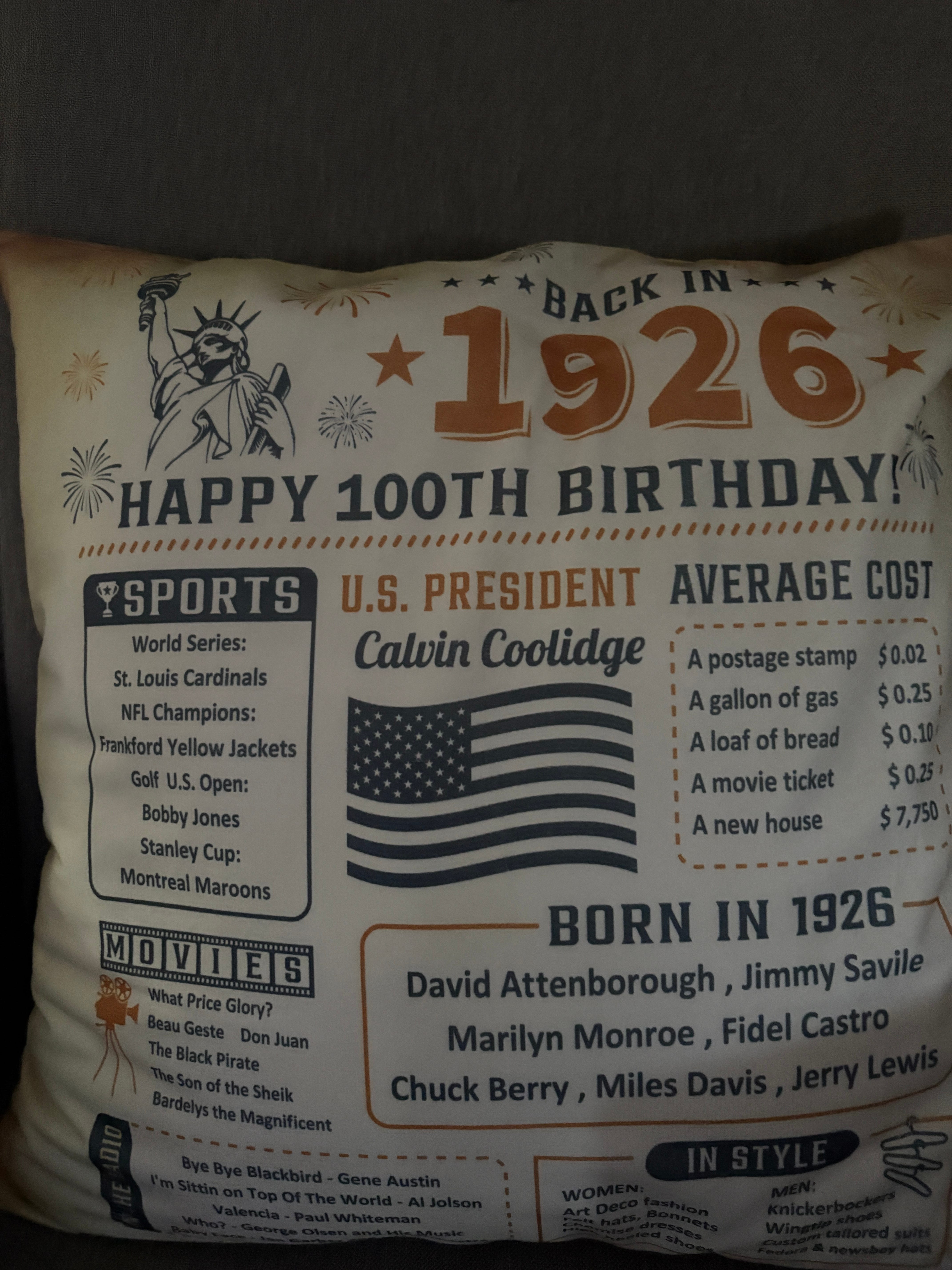
It was a truly special day. So many friends and family came to celebrate with us. We also received some amazing gifts that celebrated the history of the house. One friend took the time to search for our address on newspapers.com and found some great nuggets.
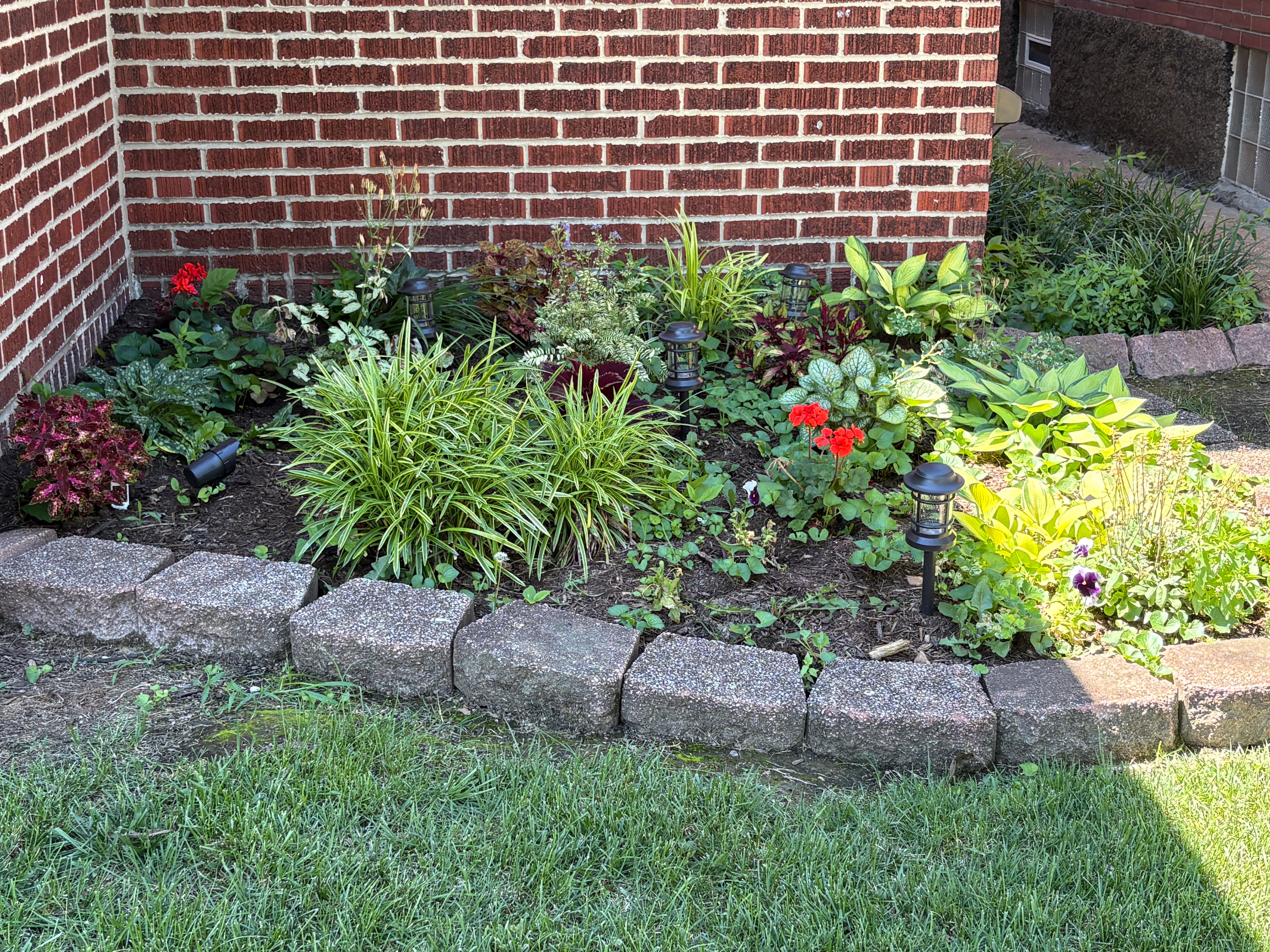
Our house is in Princeton Heights, which is an older South St. Louis residential neighborhood. The name "Princeton" came from the Princeton Creamery on Kingshighway Boulevard just north of Gravois Avenue. This is one of the gardens that we planted and nourished while home this spring.
This area grew up because it was close to Gravois Avenue, which began as a road to a salt spring and ferry, near present-day Fenton around 1804. In 1839, an act of the Missouri state legislature made Gravois a state road and during the 1840s it was paved with a macadam surface. In 1914, Gravois Road became the first concrete highway in Missouri, when six miles were laid from the downtown area to Grant’s Farm. Gravois became known as Missouri State Highway 30 in 1922.
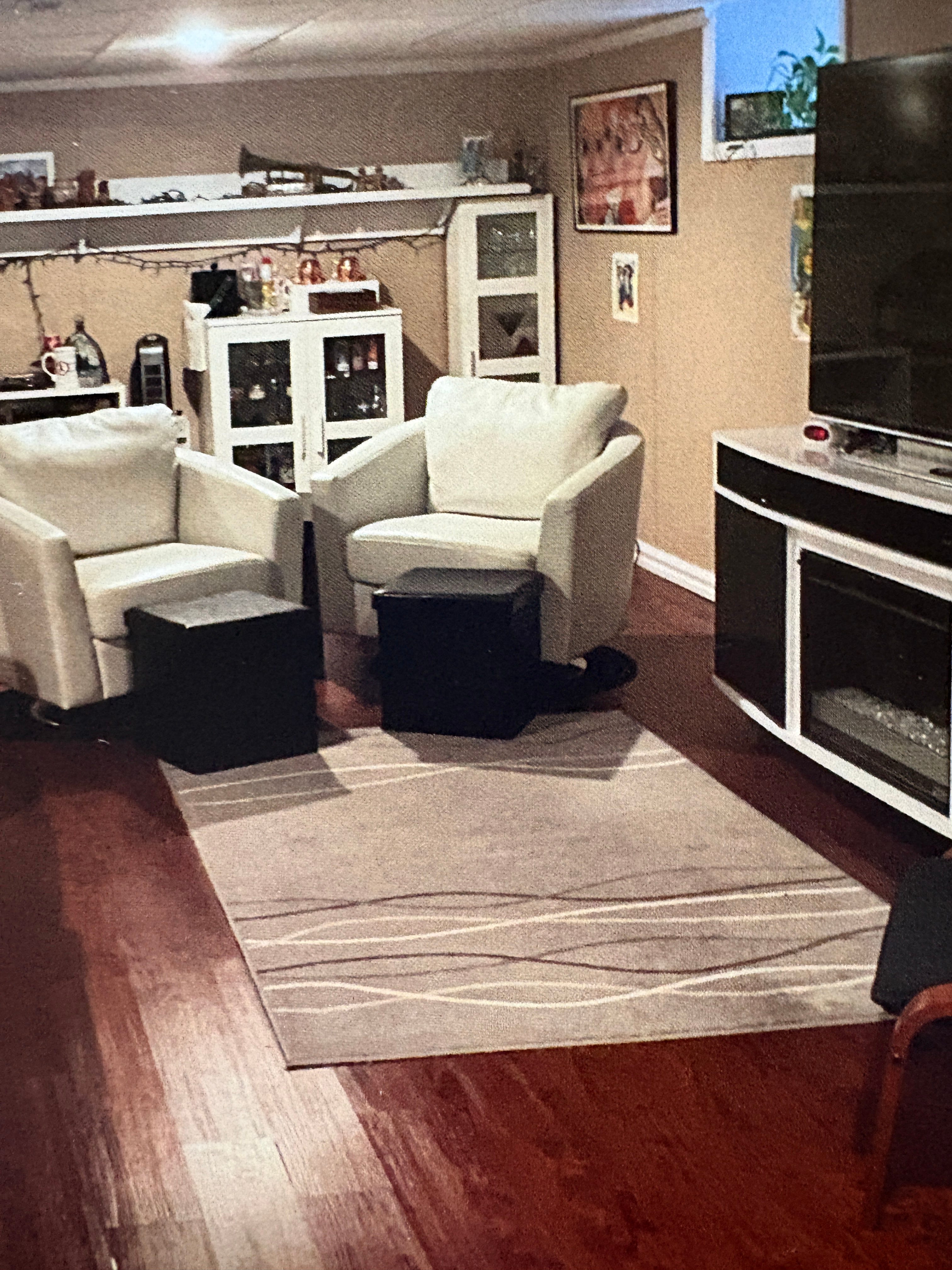
One of cool things we did for the party was to create a photo book that showed a lot of before and after pictures since we have done a lot of work on the house during the 27 years, we have lived here. This is just to give you an idea of what we have done. This is the basement remodel that has turned the area into what feels like new construction.
According to the neighborhood history site, Princeton Heights is a mixture of residential and commercial buildings with minimal industrial activity. Residences include single-family dwellings, multi-family dwellings, and apartment buildings. Like nearest neighborhoods St. Louis Hills, Holly Hills, and Southampton, most of the home construction is Arts and Crafts movement inspired masonry and dates from the 1920s and 1930s. Architectural styles vary by street or by block, although most single-family homes could be classified as American craftsman-styled bungalows, storybook houses, or variations of American Foursquare.
In 2004, I had a chance to speak with a gentleman who grew up in the house. His family bought it in 1926 when he was 3 years old. Some of his memories included:
In the 1930s, A team of horses dug the basement for a house next door.
There was an ashpit in the back yard, a coal bin and coal furnace, fruit cellar, hot water with heat tubes and a water tank.
One street over, where all the houses were built in the 1930s, was a baseball diamond.
Someone delivered ice and coal. You put a sign in your window if you needed 25 or 50 pounds of ice. There was a knife sharpener that came around and someone delivered vegetables as there were no stores nearby. Whites’ bakery came around too but there was a butcher shop.
His father worked at the chemical plant, Monsanto, which was on Broadway and Russell. He said the Southampton trolly traveled down Gravois.
So amazing!
Excellent story. I bet you could have gone on and on about the home and the rich history. Happy Birthday